


The Role of Taxation Law in Governing Payroll Taxes
In today’s complex business landscape, understanding and adhering to taxation law is increasingly essential for organizations of all sizes. For employers, payroll taxes represent a significant financial obligation that must be managed wisely to ensure compliance with legal requirements. This article explores the importance of taxation law in governing payroll taxes and how businesses can navigate these requirements with ease.
Understanding Payroll Taxes
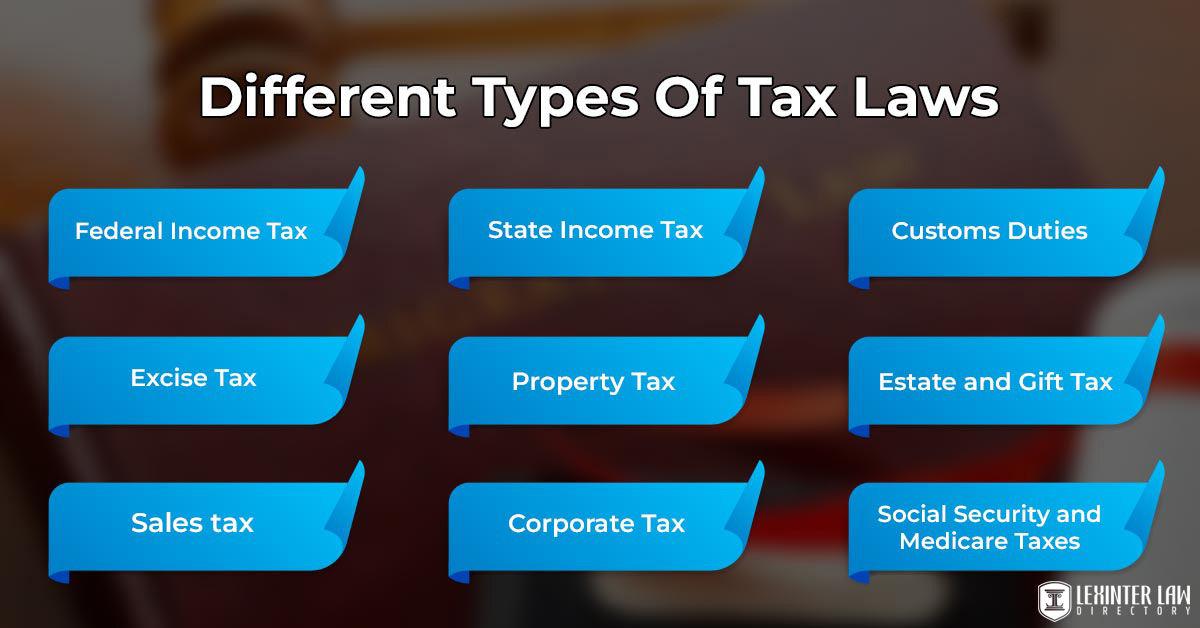
Payroll taxes are mandated deductions taken from employee salaries to fund government projects, benefits, and social programs. These taxes are typically split into several categories, including Social Security, Medicare, unemployment insurance, and various other state and local taxes. Employers must withhold these amounts from employee paychecks and pay their contributions as well, creating dual financial responsibilities.
The calculation and withholding of payroll taxes can be intricate due to the variety of taxes involved and the need to comply with ever-evolving legislation. For business owners, understanding the intricacies of taxation law not only ensures compliance but also enhances workforce productivity by supporting employee morale and building trust in the employer-employee relationship.
The Importance of Compliance
Non-compliance with payroll tax obligations can result in significant penalties, fines, and even legal action. This highlights the critical role of taxation law in establishing the frameworks within which employers must operate. Legal requirements dictate how payroll taxes are collected, managed, and reported to the appropriate authorities, making compliance a top priority for employers.
Failure to adhere to these laws may lead to investigations, audits, and ultimately financial strain, jeopardizing both the organization’s stability and its reputation. Therefore, staying informed about current tax laws and regulations, as well as seeking professional guidance, is vital to safeguard one’s business interests.
Why Professional Legal Assistance is Necessary
Navigating taxation law and managing payroll taxes is not just a regulatory obligation; it serves as a strategic function within an organization. Professional legal assistance can provide employers with invaluable insights into navigating these complexities. A knowledgeable legal expert ensures that payroll processes align with compliance obligations while also providing advice on tax planning strategies, helping businesses to leverage available benefits and avoid legal pitfalls.
Whether a small startup or a large corporation, having a reliable legal partner can streamline payroll processes, allowing organizations to focus on growth and operational success rather than getting caught in bureaucratic challenges.
Choose Aga Faquir Mohammad & Co. for Your Legal Needs
At Aga Faquir Mohammad & Co., we understand the critical role taxation law plays in managing payroll taxes and the broader implications of compliance on businesses in Pakistan. Since 1979, our law firm has been dedicated to providing top-tier legal services across various fields, including taxation, corporate law, and labor law. Our team of experienced professionals is equipped to guide you seamlessly through the intricacies of taxation law, ensuring that your business remains compliant and well-positioned for growth.
By choosing Aga Faquir Mohammad & Co., you gain access to expert advisory services that not only meet legal requirements but also align with your strategic business goals. Don’t leave your business’s compliance to chance. Take proactive steps today.
For more information or to availed our services, visit us at Aga Faquir Mohammad & Co.. We are here to ensure your legal matters are managed with expertise and dedication—so you can concentrate on what matters most: your business.

