


How Construction Law Addresses Issues in Modular Construction
The landscape of construction is evolving, with modular construction gaining immense popularity in recent years. As builders and developers increasingly turn to prefabricated structures, the intersection of modular construction and construction law becomes vital. In this article, we will explore how construction law addresses some of the unique challenges faced in modular construction, ensuring that projects run smoothly and comply with regulations.
Understanding Modular Construction
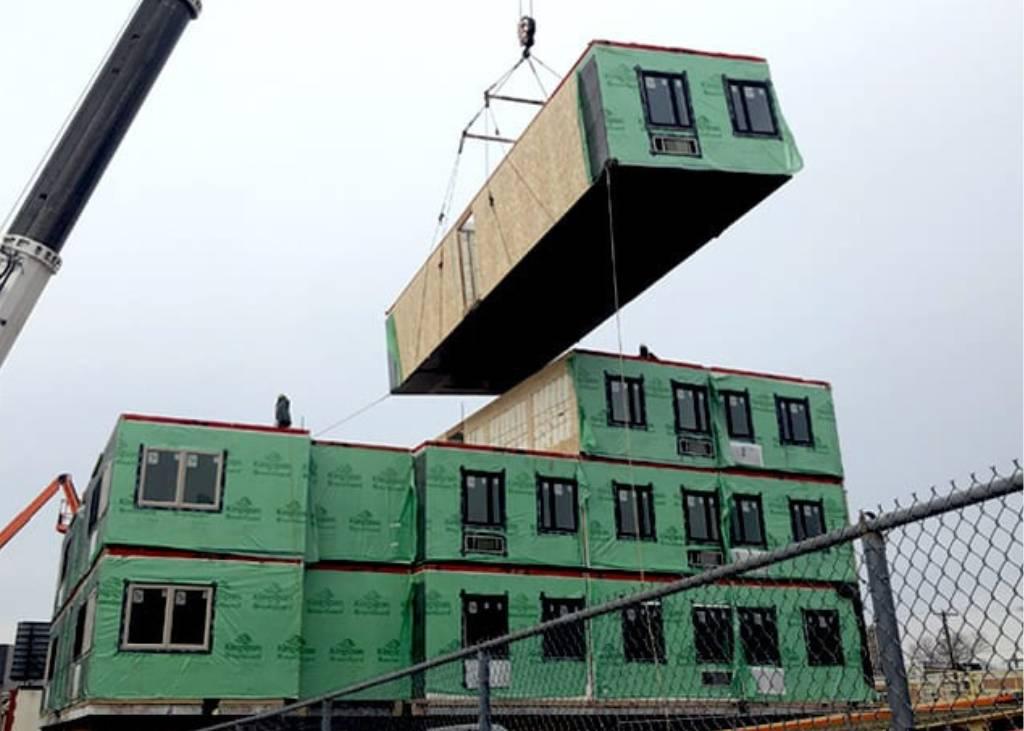
Modular construction involves the off-site fabrication of building elements, which are then transported and assembled on-site. This innovative approach offers significant advantages, including reduced construction time, cost savings, and lower environmental impact. However, it also presents a range of legal complexities that need to be navigated effectively.
Legal Challenges in Modular Construction
1. Contractual Obligations:
Modular construction projects often entail numerous contracts between various parties, including manufacturers, contractors, and developers. Disputes can arise regarding timelines, quality, and responsibilities. Construction law provides a framework to clarify these obligations, ensuring that parties adhere to agreed-upon terms.
2. Compliance with Local Regulations:
Modular buildings must comply with local building codes and regulations just like traditional construction methods. Laws surrounding zoning, safety, and land use can vary significantly. Legal expertise in construction law helps navigate these regulations, making sure that projects are compliant from design to execution.
3. Dispute Resolution:
Given the multifaceted nature of modular construction, disputes are not uncommon. Construction law encompasses various methods for resolving conflicts, including arbitration and litigation. Employing legal services can facilitate smoother dispute resolution, preserving relationships between parties and preventing delays that can arise from legal battles.
The Importance of Legal Services in Modular Construction
With the unique challenges presented by modular construction, having access to qualified legal services is essential. Expert legal professionals understand the specificity and nuances of construction law as it relates to modular projects, helping stakeholders mitigate risks and streamline processes.
Why Choose Aga Faquir Mohammad & Co.?
At Aga Faquir Mohammad & Co., we are committed to offering specialized legal services tailored to the needs of the construction industry. Established in 1979 and based in Karachi, Pakistan, our firm possesses extensive experience in various legal areas, including construction law. Our team is capable of handling both contentious and non-contentious matters related to construction projects, ensuring compliance with legal obligations and efficient resolution of any disputes.
Why Us?
- Experienced Professionals: Our team of legal experts has a profound understanding of the complexities surrounding modular construction and the legal frameworks in place.
- Comprehensive Services: From contract drafting and negotiation to dispute resolution and compliance advice, we cover all legal needs under one roof, ensuring our clients have a dedicated legal partner.
- Proven Track Record: Our firm is well-regarded for our expertise in various legal domains and has a successful history of advocating for our clients’ interests.
Contact Us
Navigating the intricacies of modular construction law can be challenging without the right legal guidance. Don’t leave your project to chance; secure peace of mind by partnering with a trusted legal firm. For more information about our construction law services, visit our website at https://afmlaws.com/.
At Aga Faquir Mohammad & Co., we are here to ensure that your modular construction projects succeed in every aspect, from compliance to conflict resolution. Let us handle the legalities so you can focus on building.

