


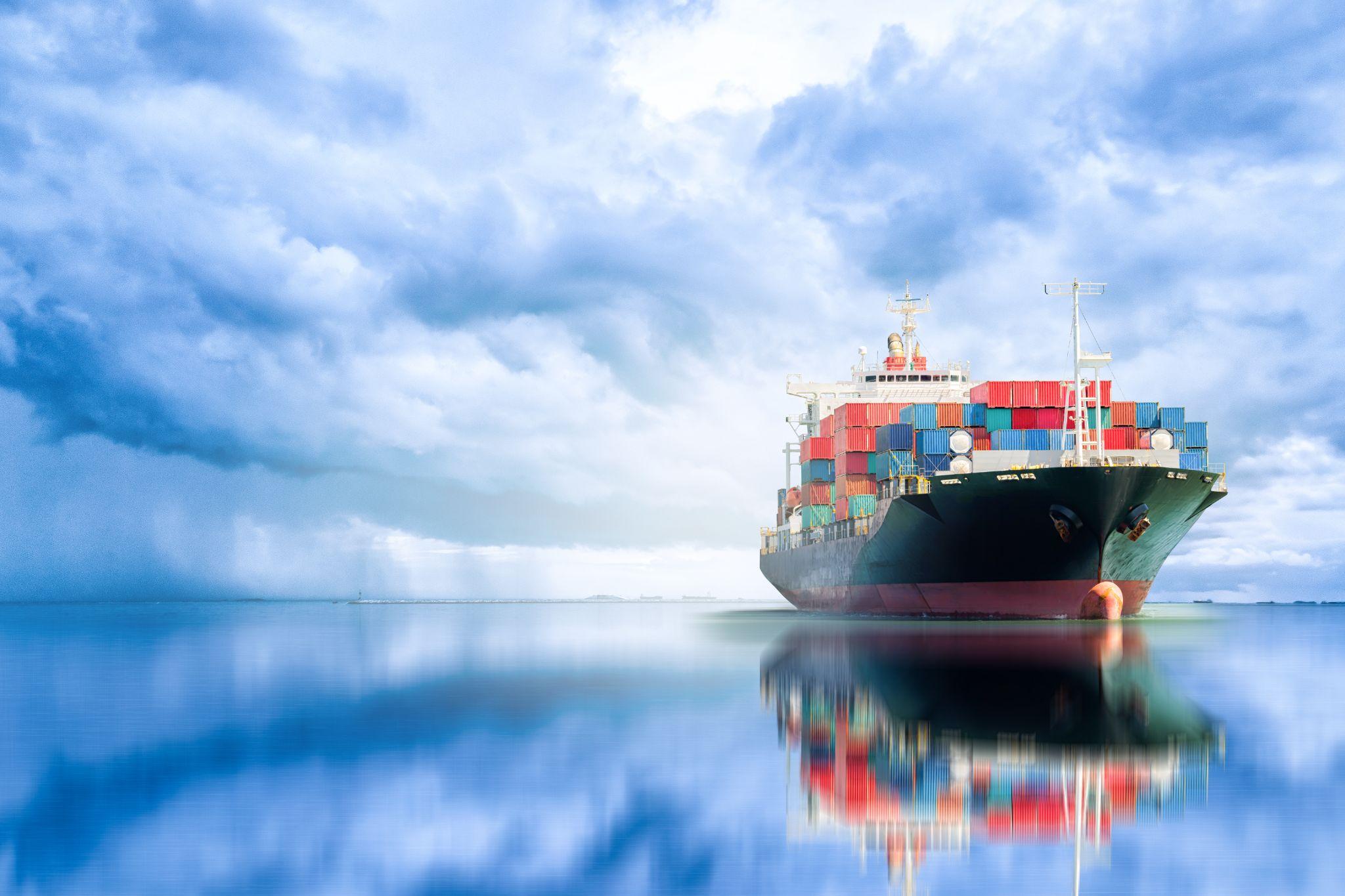
How Maritime Law Resolves Shipping Disputes
In today’s globalized world, the shipping industry is a cornerstone of international trade. With goods traveling across oceans, the risk of disputes arising in the maritime sector is ever-present. Shipping disputes can arise due to various reasons, including cargo damage, delays in delivery, charter agreements, and contractual breaches. To navigate these tumultuous waters, maritime law provides a structured framework to resolve such disputes.
The Importance of Maritime Law
Maritime law, or admiralty law, encompasses the legal rules and regulations governing navigation and shipping activities. It provides a specialized legal framework to manage conflicts that arise on navigable waters. This body of law addresses various issues — from contracts between shipowners and cargo owners to liabilities arising from accidents in the shipping industry. Understanding maritime law is critical for stakeholders like shipping companies, freight forwarders, and cargo owners, as it ensures that their rights are protected and that they can seek remedies in case of disputes.
Disputes often require legal intervention, and maritime law holds significant relevance in facilitating resolutions. Utilizing experienced legal professionals who specialize in this area can streamline a complex and often lengthy process, ensuring that parties either reach a fair settlement or succeed in litigation.
Types of Maritime Disputes
Maritime disputes can crop up in numerous forms. Common types include:
- Cargo Claims: Issues arising when goods arrive damaged, lost, or delayed can lead to disputes between the shipper and shipping company.
- Charter Party Disputes: Agreements between the owner of a vessel and a charterer can lead to disagreements over terms, such as hire rates or voyage routes.
- Ship Arrests: Legal actions can be taken to arrest a vessel in either a security arrest (to guarantee payment of a claim) or an in rem action (against the vessel itself).
- Liability Issues: Questions of liability can arise due to collisions, oil spills, or environmental damages.
In such cases, maritime law not only guides the procedural aspects of resolving disputes but also includes enforcement mechanisms and jurisdictional considerations, especially for disputes that cross international borders.
Why You Need Expert Legal Assistance
Navigating maritime law can be notably complex without the guidance of professionals with expertise in this field. Given the nuances of different jurisdictions and the specificity of maritime statutes, having experienced legal counsel is crucial. Legal representatives can assist in dispute resolution through arbitration or litigation, provide advisory services to mitigate risks, and enhance compliance with applicable regulations.
Moreover, engaging a reputable law firm can help streamline your operations by ensuring that shipping contracts and agreements are well-crafted, thus reducing the risk of future disputes.
Why Choose Aga Faquir Mohammad & Co.?
At Aga Faquir Mohammad & Co., we have specialized in Shipping & Maritime Law for decades. Established in 1979, our firm has built a reputation for handling various contentious and non-contentious legal matters with expertise. Our team is adept at facilitating ship arrests, resolving cargo claims, and navigating charter party disputes, offering both local and international services.
We pride ourselves on our commitment to our clients, providing tailored legal solutions that meet your unique needs. Whether you’re facing a dispute or looking for preventive measures, our deep understanding of maritime law will ensure you are protected.
For comprehensive legal services in Pakistan, trust Aga Faquir Mohammad & Co. to guide you through the intricacies of maritime law. Visit our website today at https://afmlaws.com/ to learn more about our services and how we can assist you in achieving favorable outcomes in your legal matters.

