


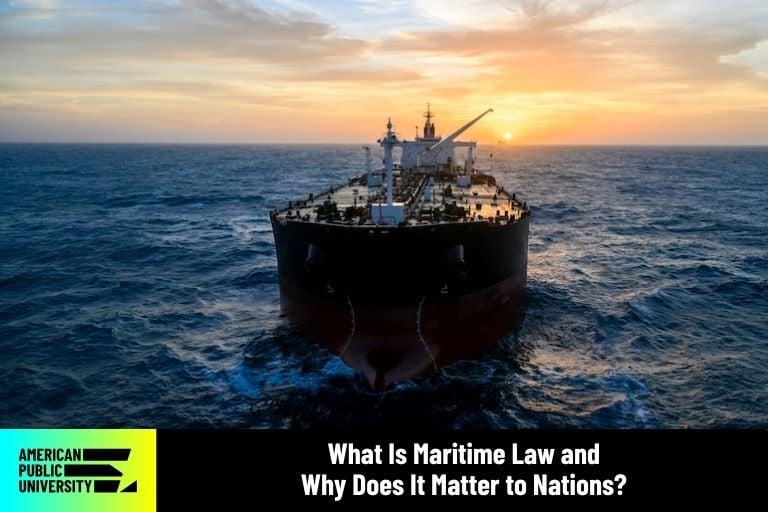
How Maritime Law Protects Stakeholders in Joint Shipping Ventures
Understanding Joint Shipping Ventures
In today’s interconnected global marketplace, shipping is essential for the movement of goods across borders. Joint shipping ventures have become increasingly popular as businesses seek to share resources, mitigate costs, and increase competitiveness. These alliances allow companies to combine fleets, logistics expertise, and capital investments to maximize efficiency and profits. However, with this collaboration comes a myriad of legal complexities that require adherence to maritime laws to protect the interests of all stakeholders involved.
The Role of Maritime Law
Maritime law, or admiralty law, governs activities that occur on navigable waters. It encompasses a wide array of regulations, including shipping contracts, disputes, salvage rights, and even environmental violations. In the context of joint shipping ventures, adherence to maritime law is critical for protecting the rights and interests of shipowners, cargo owners, and operators.
Shipping ventures often involve multiple parties with varying interests. Without a solid understanding of maritime law, disagreements may arise regarding liability in case of accidents, loss of goods, or delays in transit. This is where maritime law plays a pivotal role—providing a framework for resolving disputes and ensuring fair treatment for all parties involved.
Benefits to Stakeholders
- Legal Framework for Collaboration: Maritime law provides a structured approach for negotiating terms of joint ventures. By establishing written agreements that cover liability, profit-sharing, and operational responsibilities, stakeholders can mitigate risks and avoid conflicts down the line.
- Protection Against Liability: In joint shipping ventures, disputes can arise from accidents, cargo damage, or environmental repercussions. Maritime law helps define liability and outline protections for each stakeholder, including rights for indemnification or claims against negligent parties.
- Facilitating Regulatory Compliance: Joint ventures must comply with numerous local and international maritime regulations. Legal expertise ensures that all operational activities, including environmental standards and safety protocols, align with applicable laws, preventing costly violations.
- Dispute Resolution Mechanisms: Maritime law offers various alternatives for resolving disputes, including arbitration and litigation. Proper legal guidance can streamline the resolution process and minimize disruptions to shipping operations.
Why You Need Legal Guidance from Aga Faquir Mohammad & Co.
For businesses involved in joint shipping ventures, having a knowledgeable legal partner is invaluable. Aga Faquir Mohammad & Co. specializes in maritime and shipping law with decades of experience dating back to 1979. Their comprehensive services cover contentious and non-contentious legal matters, including ship arrests, cargo claims, and charter party disputes—crucial areas for successful joint shipping ventures.
By working with an established law firm like Aga Faquir Mohammad & Co., stakeholders can ensure that their venture is legally sound. Whether you require legal advice on contract negotiations or need representation in a dispute, their team of experts is adept at navigating the complexities of maritime law.
Get Started Today
Don’t leave the legal success of your joint shipping venture to chance. Engage with the seasoned professionals at Aga Faquir Mohammad & Co. to protect your interests and ensure compliance with maritime law. Visit Aga Faquir Mohammad & Co. today to learn more about how their legal services can safeguard your business in an increasingly competitive shipping industry. Together, you can navigate legal challenges with confidence and clarity, securing a prosperous future for your shipping ventures.

