


The Impact of Maritime Law on Port Operations
Understanding Maritime Law
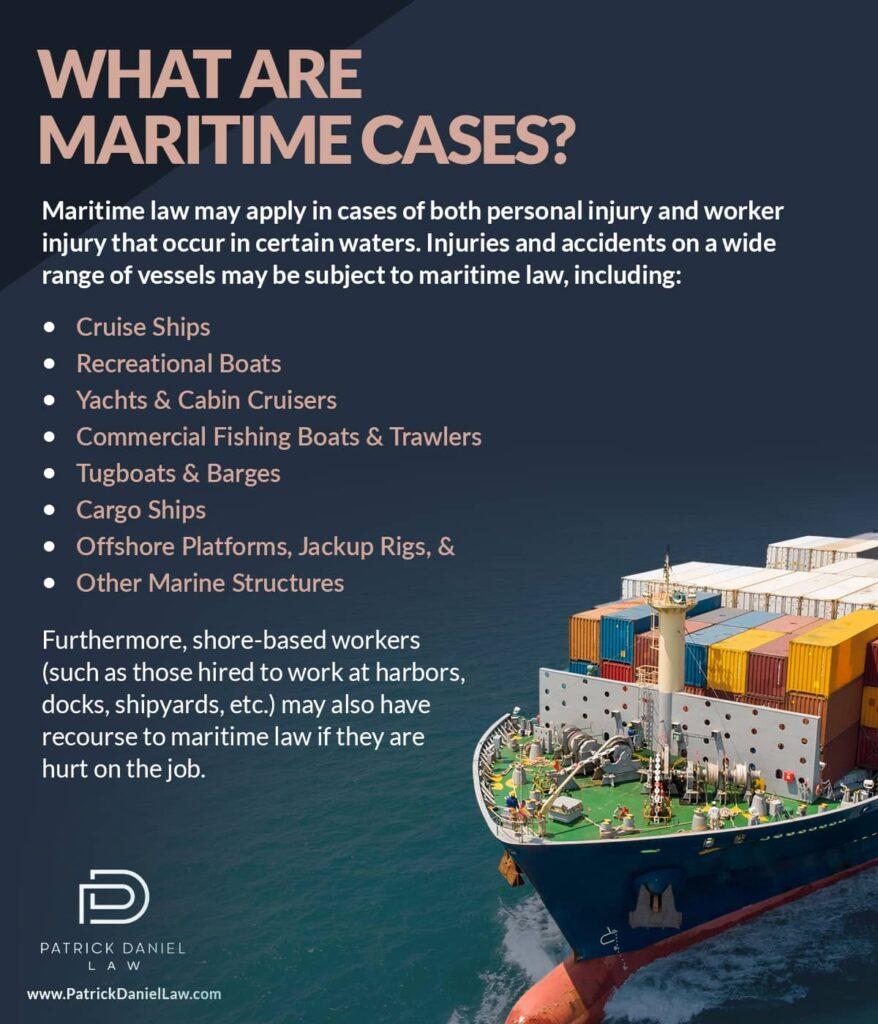
Maritime law, also known as admiralty law, governs various legal aspects relating to maritime activities and navigable waters. It encompasses a framework of regulations that facilitate international trade, ensure safe navigation, and protect the rights of those involved in shipping and port operations. As global trade continues to expand, the impact of maritime law on port operations has never been more critical.
The Role of Maritime Law in Port Operations
Ports serve as crucial gateways for international trade, and the application of maritime law directly influences their operations. Various components of maritime law, including shipping regulations, cargo claims, and ship arrests, shape the way ports function. For example, when a ship arrives at a port, maritime law dictates the responsibilities of the shipowner, port authority, and cargo owners. Issues like cargo damages, disputes over charter agreements, and vessel seaworthiness are all governed by these laws.
Moreover, maritime law plays a key role in safeguarding the rights and livelihoods of those working in these industries. For example, shipping workers are often subject to unique labor regulations found under maritime law, ensuring they have protections against unfair treatment.
Why Understanding Maritime Law is Important
For stakeholders involved in port operations—such as shipping companies, cargo owners, and port authorities—having a thorough grasp of maritime law is paramount. Port operations can be fraught with complexities, ranging from international shipping agreements to local regulatory requirements. Without legal guidance, stakeholders can face significant financial losses or legal challenges that may impede their business.
Furthermore, as maritime activities often involve multiple jurisdictions, understanding the applicable laws becomes indispensable. Shipping disputes can arise across different countries, heightening the need for effective legal representation. The interplay between international and domestic maritime law necessitates a well-grounded legal foundation in order to navigate potential pitfalls.
Why Choose Chartered Legal Services in Pakistan?
Legal issues related to maritime operations require specialized knowledge and experience. This is where a seasoned law firm comes into play. In Pakistan, partnering with a law firm that specializes in maritime law, such as Aga Faquir Mohammad & Co., can provide invaluable assistance. Established in 1979 and headquartered in Karachi, the firm has built a reputation for its expertise in Shipping & Maritime Law.
Aga Faquir Mohammad & Co. offers a wide array of services, from arbitration and litigation to advisory services covering contentious and non-contentious matters. Their specialized knowledge in ship arrests, cargo claims, and charter party disputes empowers clients to effectively navigate complex legal requirements, ensuring smooth operations within ports.
Take Action Today
For anyone involved in the maritime and shipping sectors, understanding maritime law and obtaining legal services tailored to these fields is essential for operational success. Protect your interests by enlisting the help of experienced legal experts who can provide comprehensive solutions to your maritime law needs.
To explore the full range of legal services offered in maritime law and beyond, visit Aga Faquir Mohammad & Co. at https://afmlaws.com/. Their established presence and deep-rooted expertise make them an ideal partner for addressing your legal requirements in Pakistan. Don’t let maritime legal complexities hinder your operational success; consult with the experts and secure your peace of mind today!

