

The Importance of Risk Allocation in Construction Agreements
In the ever-evolving world of construction, where massive investments and stakeholders are involved, effective risk management becomes a cornerstone of successful project execution. Construction agreements play a pivotal role in defining the parameters within which projects unfold; they not only establish the framework for core roles and responsibilities but also allocate the risks inherent in the construction process. Understanding risk allocation in construction agreements is critical for stakeholders to ensure transparency, accountability, and financial prudence.
Understanding Risk Allocation
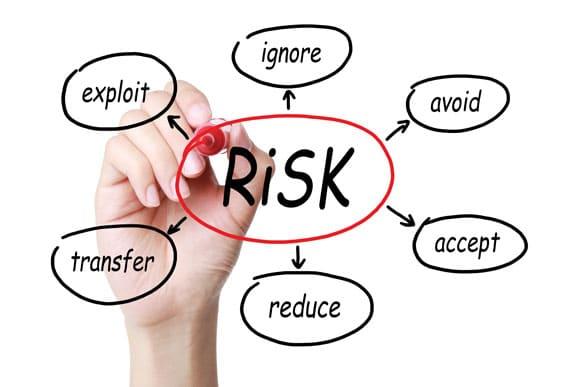
Risk allocation refers to the identification and distribution of risks among the parties involved in a construction project, meticulously outlined in the construction agreement. Typically, these risks include unforeseen circumstances such as natural disasters, delays due to weather, contractor default, or even changes in applicable regulations. A well-structured construction agreement will clearly articulate who bears specific risks and under what conditions, ensuring that all parties are cognizant of their obligations.
Effective risk allocation goes beyond simple assignment; it involves a strategic assessment of the potential impacts on each party. By delineating responsibilities, stakeholders can avoid disputes and resolve issues more amicably. This approach allows parties to focus on their respective roles—designers on creating the plans, contractors on executing them, and clients on funding and oversight.
The Benefits of Comprehensive Construction Agreements
The essence of a solid construction agreement extends beyond mere formality; it provides multiple advantages that can influence the success of a construction project. First and foremost, effective risk allocation minimizes disputes among parties. When obligations and risks are clearly articulated, it establishes a mutual understanding that can enhance cooperation throughout the project lifecycle.
Additionally, well-defined agreements can lead to better financial forecasts. When stakeholders understand their risk exposure, they can allocate resources more effectively, resulting in controlled costs and improved budget management. Furthermore, sound agreements pave the way for smoother project execution, enhancing timelines and ultimately improving project completion rates.
Why Risk Allocation is Essential for Stakeholders
For stakeholders—including property developers, contractors, and investors—comprehensive risk allocation is essential. Failure to address risks can lead to cost overruns, legal disputes, and project delays, adversely impacting both timelines and profitability. In Pakistan’s burgeoning construction sector, with its unique regulatory environment, robust legal frameworks in contracts are more crucial than ever.
Construction projects are often subject to a myriad of laws and regulations, making legal guidance indispensable. Thus, partnering with knowledgeable legal professionals is a wise investment for anyone involved in construction.
Your Partner in Legal Services: Aga Faquir Mohammad & Co.
Navigating the complexities of construction agreements necessitates expert legal advice. Aga Faquir Mohammad & Co., a distinguished law firm situated in Karachi, has been serving clients since 1979. Specializing in various areas of law—including Corporate Law and Shipping & Maritime Law—the firm provides comprehensive legal solutions tailored to your needs.
Our expert team is well-versed in the intricacies of construction law and is ready to assist you in drafting, reviewing, and negotiating your construction agreements to ensure effective risk allocation. With a long-standing reputation for excellence, we pride ourselves on our client-centric approach and commitment to achieving the best outcomes.
If you seek guidance or require legal representation, look no further. Visit our website Aga Faquir Mohammad & Co. today to explore the extensive legal services we offer. Let us partner with you in securing your construction projects—because understanding the fine print today can save you from significant losses tomorrow!

