


Why Businesses Should Avoid Anti-Competitive Agreements
In today’s rapidly evolving marketplace, businesses must navigate a complex web of regulations and market forces. Among these, the specter of anti-competitive agreements looms large, threatening not just a company’s reputation, but its very existence. Understanding the implications of these agreements is crucial for any business aiming to thrive in a competitive environment.
Understanding Anti-Competitive Agreements
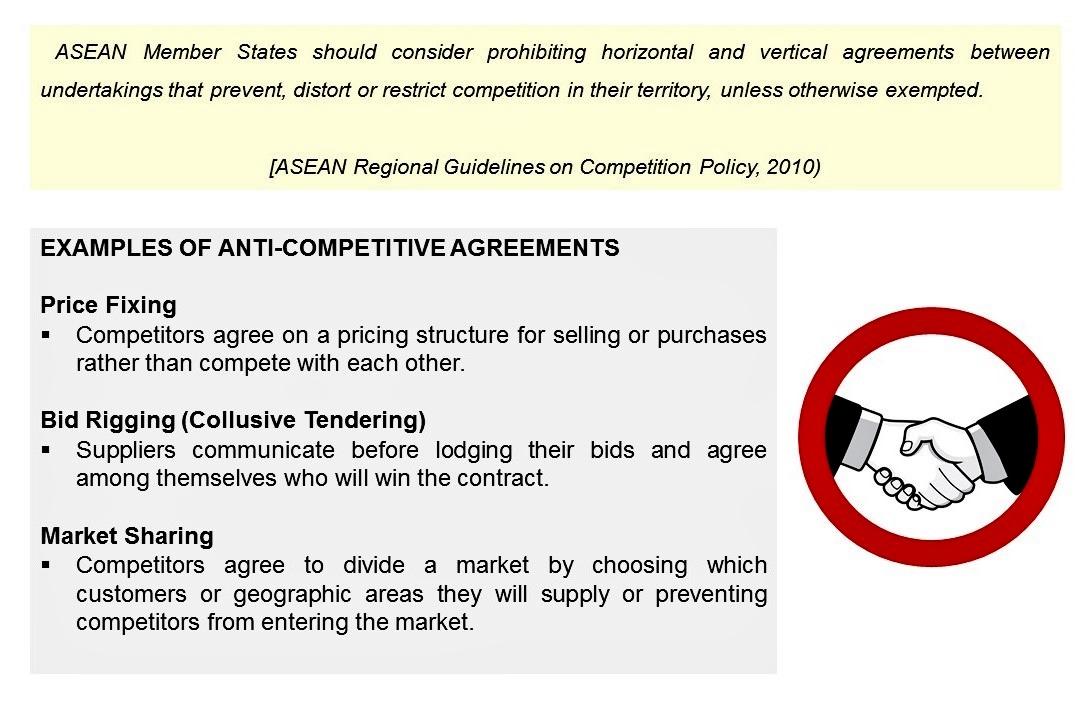
Anti-competitive agreements typically refer to arrangements between competing businesses designed to limit competition. These could include collusions to fix prices, divide markets, or limit production. Such agreements can take various forms, from informal alliances to formal agreements. The penalties for engaging in these practices can be severe, including hefty fines, criminal charges, and reputational damage that may take years to repair.
The legal framework governing anti-competitive agreements is designed to promote fair competition. Violations can lead to intense scrutiny from regulatory bodies, which may impose punitive measures to deter non-compliant businesses. Therefore, it is critical for companies to grasp the ramifications of their agreements and ensure they remain compliant with competition laws.
Risks Associated with Anti-Competitive Agreements
The risks associated with entering into anti-competitive agreements extend beyond legal ramifications. Companies found guilty of such practices can face public backlash, loss of customer trust, and a decline in market position. Moreover, the financial implications can hinder a company’s operations, as legal fees, fines, and loss of business can be devastating.
In addition, anti-competitive practices can lead to inefficiencies within the industry. When businesses conspire to limit competition, innovation slows, prices could rise, and quality may decline. This can create an unstable market environment that stifles growth not only of the offending businesses but also of competitors who operate within that market.
The Importance of Legal Guidance
Given the complexities surrounding anti-competitive agreements, it becomes imperative for businesses to seek professional legal advice. A knowledgeable attorney can guide companies on the dos and don’ts of competition law, helping them draft agreements that promote healthy competition rather than stifle it.
Additionally, effective legal counsel can help businesses identify potential risks in their operations and provide strategies to mitigate these risks. This could mean the difference between navigating the competitive landscape successfully and facing substantial legal trouble.
Why Choose Aga Faquir Mohammad & Co.
At Aga Faquir Mohammad & Co., we understand the intricacies of competition law and the challenges businesses face in Pakistan. Established in 1979, we have a long-standing reputation for providing top-notch legal services in various fields, including Corporate Law and International Trade. Our experienced team can offer invaluable insights and practical solutions to help your business comply with the legal requirements and operate within the confines of the law.
How We Can Help
Our firm specializes in both contentious and non-contentious legal matters, ensuring that you receive the comprehensive support you need. We pride ourselves on our capacity to handle cases in maritime and admiralty law, shipping, and taxation, among other vital areas. With a focus on tailored advisory services, we can help you navigate the complexities of anti-competitive agreements, ensuring that your business not only thrives but contributes positively to a competitive market landscape.
For expert legal guidance in Pakistan, don’t hesitate to reach out.
Contact Us
To ensure your business operates within the framework of competition law and to avoid the pitfalls of anti-competitive agreements, visit us at Aga Faquir Mohammad & Co.. Our dedicated team of professionals is ready to assist you in all your legal needs. Let us help you safeguard your business’s future today!

