


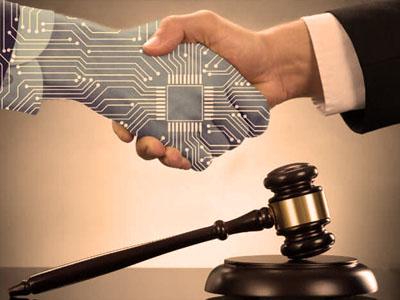
How IT Law Supports the Ethical Use of Emerging Technologies
In an age characterized by rapid technological advancements and digital innovation, the integration of Information Technology (IT) into everyday business operations has never been more prevalent. However, with these technological advancements come unique ethical challenges, particularly surrounding privacy, security, and intellectual property. This article explores how IT law serves as a crucial backbone in regulating and guiding the ethical use of these emerging technologies.
The Role of IT Law in Emerging Technologies
IT law refers to the umbrella of regulations and legal guidelines that govern the use of technology in various sectors. As businesses increasingly adopt technologies such as artificial intelligence, blockchain, and the Internet of Things (IoT), the necessity for robust legal frameworks becomes apparent. For instance, data privacy concerns are exacerbated by the vast amount of personal information collected and processed by tech companies. IT law helps mitigate these concerns by implementing regulations that require businesses to handle user data responsibly.
Moreover, IT law plays a critical role in intellectual property rights, ensuring that innovations remain protected from unauthorized use. Without adequate legal protections, inventors and companies risk losing their competitive advantage, which is essential for economic growth and consumer protection.
Ensuring Ethical Standards
The significance of IT law extends beyond compliance—it fosters an environment of ethical business practices. Ethical use of technology demands accountability, transparency, and fairness. For example, data protection laws like the General Data Protection Regulation (GDPR) in Europe establish standards that companies must adhere to, thereby promoting ethical data usage practices.
Additionally, IT law helps create frameworks for ethical AI deployment. Companies must consider the implications of biased algorithms or data-driven decisions that unfairly impact individuals or groups. IT law provides guidelines and standards to ensure that emerging technologies are developed and implemented responsibly.
Emerging Technologies and Legal Challenges
While emerging technologies hold immense potential for innovation, they also bring about unique legal challenges. As technology evolves, so do the laws and regulations that govern it. This constant change necessitates a proactive legal strategy for businesses to navigate the complexities of IT law effectively.
Organizations must stay abreast of emerging legal trends and regulatory changes. This is where expert legal advice becomes indispensable. Businesses often find themselves in a quagmire when handling legal matters related to technology. Failure to comply with IT regulations can result in hefty fines, legal disputes, and reputational damage.
Why You Need Specialized Legal Services
Navigating the intricacies of IT law requires specialized expertise, particularly in a dynamic legal landscape like Pakistan. This is where Aga Faquir Mohammad & Co. stands out. With over four decades of experience, this law firm in Karachi serves clients across various sectors, providing expert legal services in IT law, corporate regulation, and more. They not only handle contentious legal matters but also offer advisory services tailored to the unique needs of your business.
Get Started Today
In an increasingly digital world, understanding your legal responsibilities is essential for the ethical use of technology. Don’t leave your business exposed to legal pitfalls—partner with professionals who understand the landscape. Aga Faquir Mohammad & Co. is equipped to support your legal needs, empowering you to utilize technology responsibly and ethically.
To learn more about their legal services in Pakistan, visit Aga Faquir Mohammad & Co.. Take the first step towards safeguarding your business in this ever-evolving technological landscape!

